


Historic Architecture Meets Modern Design: A Stay with Character in Berlin
Berlin is a city where history and the present day merge in a particularly distinctive way. Between historic streetscapes, listed buildings and modern architecture, places emerge that are far more than simply somewhere to stay. Travellers who deliberately seek out a hotel with character often choose a property whose history can still be experienced today.
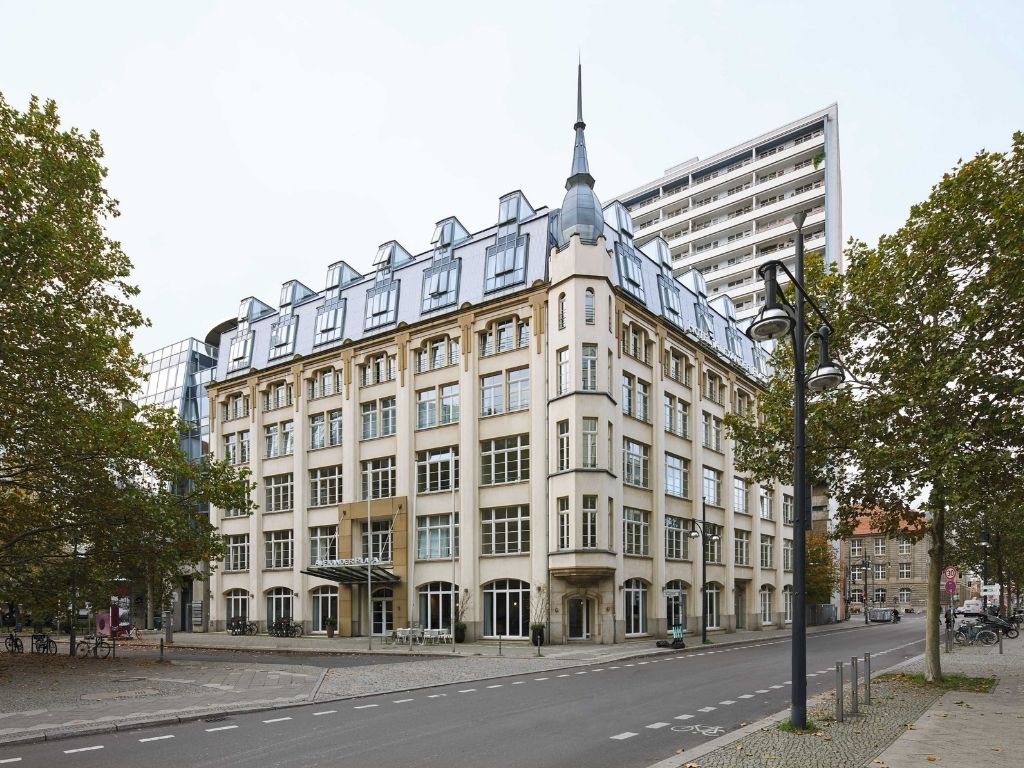
The Classik Hotel Alexander Plaza in Berlin-Mitte is one such example. Today’s boutique hotel is housed in a historic building whose story reflects more than 125 years of Berlin’s urban development. Historic architecture and modern design are not opposites here, but complement one another to create a harmonious overall experience.
When Buildings Tell Stories
Historic hotels fascinate many travellers because they create atmosphere. While modern new-builds are often designed primarily with function in mind, established buildings convey identity and tell stories of the people, businesses and eras that have shaped them.
Original façades, generous ceiling heights and historic floor plans make history visible. At the same time, today’s guests expect contemporary comfort. The challenge lies in preserving historic fabric while carefully adapting it to the requirements of a modern hotel.
A Piece of Berlin’s Urban History
The Classik Hotel Alexander Plaza is located in the Marienviertel, one of Berlin’s oldest settlement areas. Rosenstraße is one of the capital’s historic streets and developed together with the surrounding quarter from as early as the Middle Ages.
After the property was acquired by fur merchant Siegfried Abrahamsohn in 1898, a new commercial complex was built here and completed in 1900. The building initially housed a fur business and an electrical shop, reflecting Berlin’s economic dynamism at the beginning of the 20th century.
A Building Through Changing Times
Like the city itself, the use of the building changed repeatedly over the years.
From 1933, the long-established watch company ALPINA moved into the building. The site was later operated under the name Dugena. After the Second World War, the building took on another new role and became the headquarters of the GDR’s wholesale trading company, the GHG. From here, technology products, watches, jewellery and other consumer goods were distributed to retailers.
The history of the building therefore mirrors Berlin’s economic and social changes – from the German Empire through the post-war period to German reunification.
From Industrial Architecture to Boutique Hotel
German reunification marked the beginning of a new chapter.
In the early 1990s, the historic building was sold and carefully converted into a hotel. The refurbishment was overseen by the Cologne-based architectural practice Plan² under the direction of Peter Becker. The aim was to preserve the building’s architectural character while creating the conditions required for a modern hotel. After a construction period of more than two years, the Classik Hotel Alexander Plaza opened in 1997.
This transformation continues to shape the identity of the hotel today.
Historic Architecture Meets Modern Design
The building’s history can still be felt today. High ceilings, large windows and the historic structure are reminders of its original architecture. At the same time, contemporary rooms, modern materials and carefully selected design elements provide the comfort expected of a present-day boutique hotel.
The result is a harmonious interplay between past and present – not as a staged recreation, but as the continued evolution of a historic building.
In the Heart of Historic Berlin
The hotel is not only part of Berlin’s history itself, but is also situated in surroundings rich in history.
Rosenstraße is one of Berlin’s oldest streets. Just a few steps away, Heidereutergasse recalls the site of Berlin’s first synagogue from the early 18th century. Museum Island, Berlin Cathedral, Hackescher Markt and Alexanderplatz are also located in the historic centre of the capital, making the surrounding area an interesting starting point for discovering the city’s cultural and architectural history.
Timeline
| Year | Event |
|---|---|
| 1898 | Property acquired by Siegfried Abrahamsohn |
| 1900 | Completion of the commercial complex |
| From 1900 | Fur business and electrical shop |
| 1933 | Watch company ALPINA moves into the building |
| After 1945 | Used by trading companies and later by the GDR’s GHG wholesale trading company |
| Early 1990s | Sale and redevelopment as a hotel |
| 1997 | Opening of the Classik Hotel Alexander Plaza following refurbishment by the Cologne-based architectural practice Plan² under the direction of Peter Becker |
Conclusion
More and more travellers are looking for hotels that offer more than comfort alone. They want to experience places that tell a story and create a distinctive atmosphere.
The Classik Hotel Alexander Plaza combines historic architecture with contemporary design and makes the development of a Berlin commercial building over more than a century tangible. Rather than staging the past, the hotel continues its history in a new form – as a boutique hotel in the heart of Berlin-Mitte.
FAQ
What makes a historic hotel special?
Historic hotels combine the story of a building with contemporary comfort. Preserved architecture, distinctive rooms and integration into the surrounding cityscape often create an individual overnight experience.
How old is the building that houses the Classik Hotel Alexander Plaza?
The present-day building complex was completed in 1900 and has been used in a variety of ways throughout its history – including as a commercial building, a location for the watch company ALPINA, a trading building in the GDR and, since 1997, as a hotel.
Who planned the conversion into a hotel?
The conversion into a hotel was overseen by the Cologne-based architectural practice Plan² under the direction of Peter Becker. The aim was to preserve the historic fabric while implementing a modern hotel concept.
Why is the location in Berlin-Mitte special?
The hotel is located in the historic Marienviertel and is close to important cultural and architectural landmarks such as Museum Island, Berlin Cathedral, Hackescher Markt and Alexanderplatz.
Why do many travellers choose historic hotels?
Many guests appreciate the combination of history, architecture and modern comfort. Historic buildings often create an atmosphere that differs from standardised hotel concepts.