


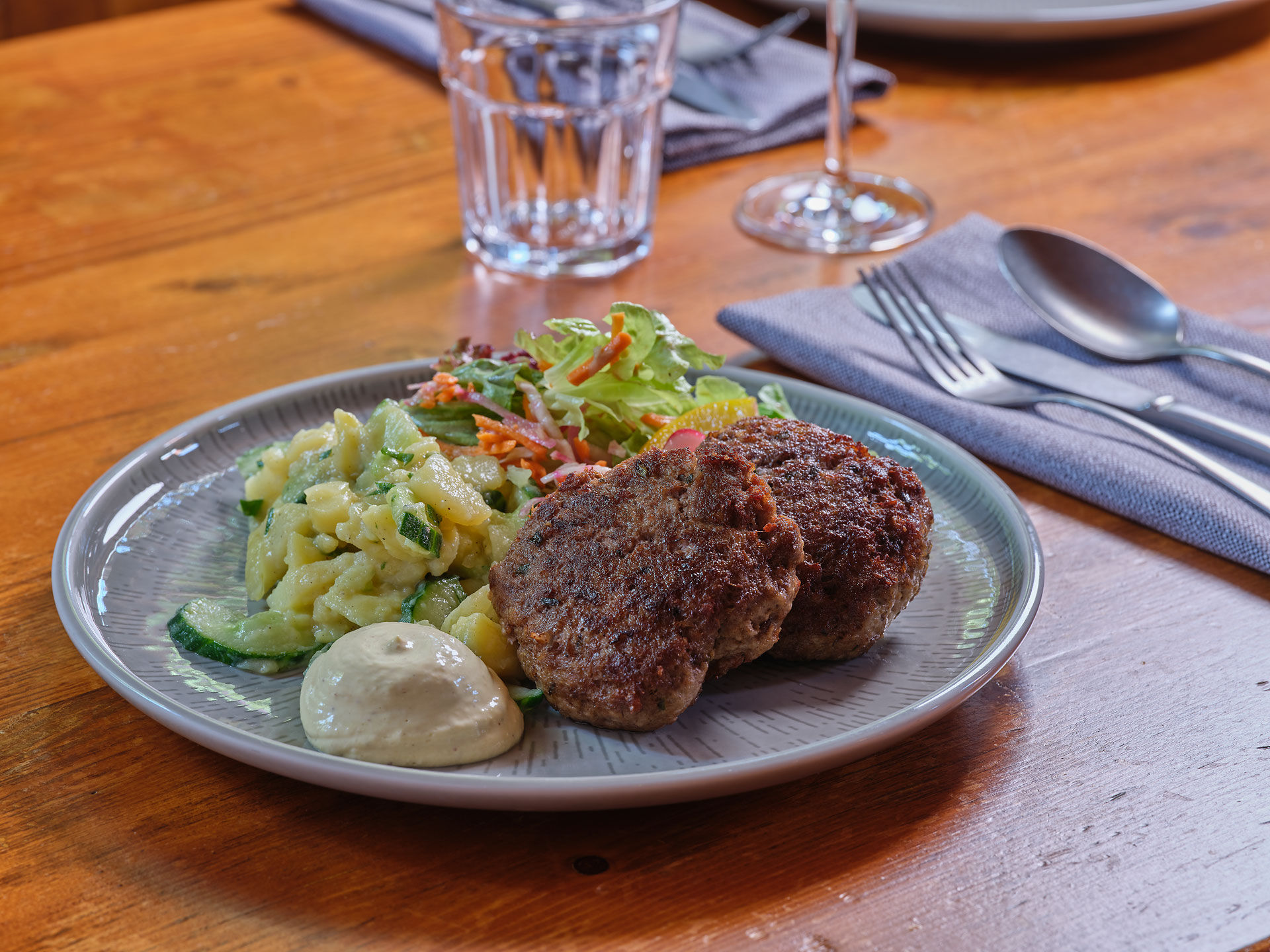
Regional Cuisine in Hotels: Why the Quality and Origin of Ingredients Matter
A hotel stay consists of more than a comfortable room. For many guests, good food is also part of the travel experience. Hotel restaurants that offer regional specialities and value verifiable quality are particularly popular. But why does the origin of the ingredients play such an important role?
Regional cuisine combines enjoyment with the culture of a travel destination. It can offer guests authentic culinary experiences and help them discover the local area and its people through food.
What does regional cuisine mean?
The term regional cuisine is used when ingredients or typical dishes have a close connection to a particular region. Although there is no standard legal definition, many guests associate regionality with:
- short and transparent supply routes,
- specialities typical of the region,
- fresh ingredients,
- transparency regarding the food and drink on offer.
Regional does not, however, automatically mean seasonal or organic. While regional food comes from a particular area, seasonal cuisine follows natural harvesting times. Organic food, in turn, meets defined ecological standards. These terms often complement one another, but they describe different aspects.
Why origin and quality matter
Freshness and flavour
Freshly prepared ingredients can have a positive influence on the flavour and quality of many dishes. Fruit, vegetables and herbs in particular often benefit from being prepared without long transport routes.
Transparency builds trust
More and more guests want to know what kind of cuisine to expect. Restaurants that clearly explain their culinary concept and offer regional specialities make it easier to choose and build trust.
Regional value creation
Regional food can help support local farms and producers. At the same time, traditional recipes and the culinary characteristics of a region remain alive.
Taking a differentiated view of sustainability
Regionality alone does not automatically make food more sustainable. Factors such as seasonality, cultivation methods, processing and storage also play an important role. Regional and seasonal offerings can, however, help to reduce transport routes and use resources more consciously.
How can guests recognise a good hotel restaurant?
Guests who want to dine more consciously while travelling can look out for several features:
| What to look for | Why it is useful |
|---|---|
| Seasonal dishes | May indicate fresh ingredients |
| Regional specialities | Create an authentic connection to the region |
| Transparent information | Builds trust and provides guidance |
| A coherent culinary concept | Shows that the cuisine and location complement one another |
What matters most is not a single advertising claim, but a coherent and transparent overall concept.
Experience regional cuisine in Munich
For many visitors, Bavarian cuisine is an inseparable part of a stay in Munich. Classics such as roast pork, Obazda, dumplings and pretzels reflect the region’s food culture and can be found in both traditional inns and modern restaurant concepts.
For guests travelling to Messe München on business or wishing to explore the city, a hotel with its own restaurant offers the opportunity to end the day in a relaxed setting and discover regional specialities.
Bavarian cuisine at the Classik Hotel Martinshof
Guests staying in Munich-Riem can combine Bavarian cuisine directly with their hotel stay at the Gasthaus Martinshof. The restaurant belongs to the Classik Hotel Martinshof, which is located near Messe München and the ICM – International Congress Center Messe München.
The Gasthaus complements the stay with a traditionally inspired dining experience and a beer garden. Guests can therefore end the evening in a pleasant atmosphere without having to travel elsewhere. The location is equally suitable for business travellers and visitors wishing to discover Munich and its regional food culture.
The Classik Hotel Martinshof is also GreenSign-certified and therefore follows a documented sustainability management system. Anyone interested in seasonal offerings or current dishes should check the latest menu before visiting or contact the restaurant directly.
Conclusion
Regional cuisine is far more than a culinary trend. It can help guests discover the culinary identity of a region and experience their stay more consciously. Transparency, traceable origins and a coherent concept are often more important than major advertising claims.
Visitors to Munich who would like to enjoy regional specialities in a relaxed atmosphere will find that the Classik Hotel Martinshof and its Gasthaus offer a meaningful way to combine a hotel stay with Bavarian cuisine.
FAQ
Why is regional cuisine important in a hotel?
Regional cuisine allows guests to discover specialities typical of an area. At the same time, transparency and traceable origins can strengthen confidence in the food and drink on offer.
Is regional cuisine automatically more sustainable?
Not necessarily. Sustainability depends on factors including seasonality, production, transport and processing. Regional and seasonal food can, however, make a positive contribution.
What is the difference between regional and seasonal?
Regional describes where a food product comes from. Seasonal means that a product is offered during its natural harvesting season. The two can occur together, but this is not always the case.
Why does Bavarian cuisine play a special role in Munich?
Bavarian cuisine forms part of the city’s cultural identity and is an important part of the travel experience for many visitors.
What should I look for in a hotel restaurant?
Look for transparent information, regional specialities, seasonal dishes and a coherent culinary concept.