


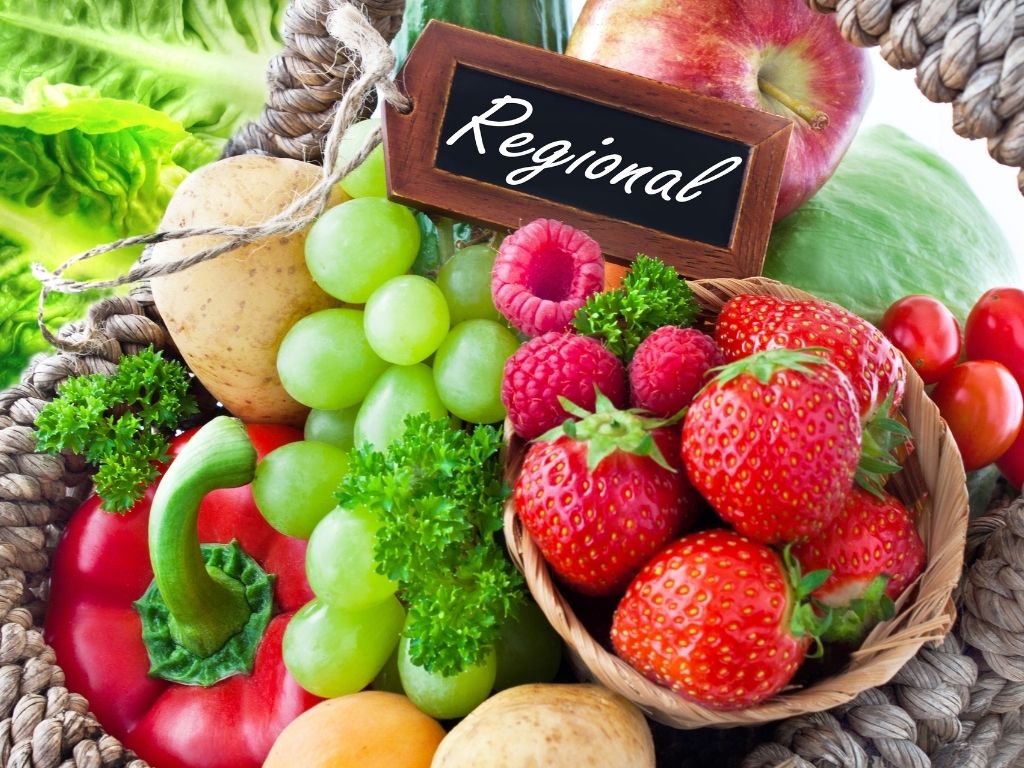
Seasonal and regional cuisine in Munich: Why these ingredients make all the difference
Anyone looking to enjoy regional cuisine in Munich will often come across the terms seasonal and regional. Both stand for a conscious approach to food, but they differ in meaning. Seasonal cuisine follows natural harvest times, while regional produce comes from the surrounding area. Together, they can contribute to fresh dishes, varied menus and a stronger connection to the region.
What Does Seasonal Cuisine Mean?
Seasonal cuisine uses food when it can be harvested naturally. This applies particularly to fruit and vegetables, but also to many other ingredients that are available at different times throughout the year.
Regionality, by contrast, describes where a product comes from. A food can be regional even if it has been stored. Conversely, a seasonal product may come from another region. Many restaurants therefore combine both approaches.
Seasonal or Regional – What Is the Difference?
| Seasonal | Regional |
|---|---|
| follows harvest times | relates to origin |
| follows the natural course of the year | comes from a specific region |
| provides seasonal variety | often supports regional businesses |
| can also be grown outside the region | is not automatically seasonal |
Why Regional Produce Often Makes the Difference
Freshness and Flavour
Food harvested during its natural season often reaches the kitchen at a riper stage. This can have a positive effect on flavour and quality.
Shorter Transport Routes
Produce from the region often travels shorter distances. This can reduce transport requirements and storage times.
At the same time, regional does not automatically mean more sustainable. Factors such as cultivation methods, storage and heated greenhouses also influence a food product’s environmental footprint.
Supporting Regional Agriculture
Demanding regional produce helps support farms and producers in the region. At the same time, a larger share of the added value remains within the local area.
Seasonal Foods in Bavaria
The range of regional foods changes depending on the season.
| Season | Examples |
|---|---|
| Spring | asparagus, radishes, spinach, wild garlic |
| Summer | strawberries, tomatoes, cucumbers, courgettes |
| Autumn | pumpkin, apples, mushrooms, beetroot |
| Winter | cabbage, leeks, lamb’s lettuce, stored apples |
Actual availability may vary depending on the weather and region.
How to Recognise Seasonal Cuisine in a Restaurant
Not every restaurant explicitly identifies seasonal ingredients. These indicators can help when making your choice:
- menus that change regularly
- seasonal recommendations or daily specials
- dishes featuring ingredients suited to the time of year
- transparent information about where products come from, where this information is published
Taking a look at the menu in advance will often already give you a good impression of the restaurant’s culinary concept.
Seasonal Cuisine During a Stay in Munich
Munich offers numerous opportunities to discover regional specialities – from traditional inns to modern restaurants with seasonal influences.
Anyone staying near Messe München or in the Munich-Riem district can visit Gasthaus Martinshof and round off the day with Bavarian cuisine in a traditional atmosphere. The adjoining beer garden is a particularly pleasant meeting place during the warmer months after a day at the trade fair or exploring the city.
As menus may change seasonally, it is advisable to check the restaurant’s current offerings before your visit.
Conclusion
Seasonal cuisine means more than simply using fresh ingredients. It follows natural harvest times and, together with regional produce, can contribute to varied dishes and a more conscious way of enjoying food.
Visitors to Munich will find many opportunities to discover Bavarian cuisine. For guests of the Classik Hotel Martinshof, the hotel’s own Gasthaus offers a convenient opportunity to enjoy regional specialities in the immediate vicinity of the hotel.
FAQ
What Does Seasonal Cuisine Mean?
Seasonal cuisine uses food when it is naturally available and corresponds to its respective harvest season.
What Is the Difference Between Seasonal and Regional?
Seasonal describes the time of harvest. Regional refers to the geographical origin of a food product.
Why Is Regional Produce Often Considered Fresher?
Short transport routes can help food to be processed or offered more quickly.
Is Regional Produce Automatically More Sustainable?
No. Cultivation methods, storage and energy consumption also influence a product’s environmental footprint.
Why Is Seasonal Eating in Munich Worthwhile?
Many restaurants focus on regionally available ingredients and adapt their dishes throughout the year. This allows guests to discover the culinary variety of each season.